
Publications


Vital Signs is published to tell the real story of what is going on in healthcare in the community and what Coalition of Concerned Medical Professionals is doing about it. Each issue of Vital Signs includes updates from frontline healthcare professionals and other community members.
PUBLICATIONS

Vital Signs is published to tell the real story of what is going on in healthcare in the community and what Coalition of Concerned Medical Professionals is doing about it. Each issue of Vital Signs includes updates from frontline healthcare professionals and other community members.

PUBLICATIONS
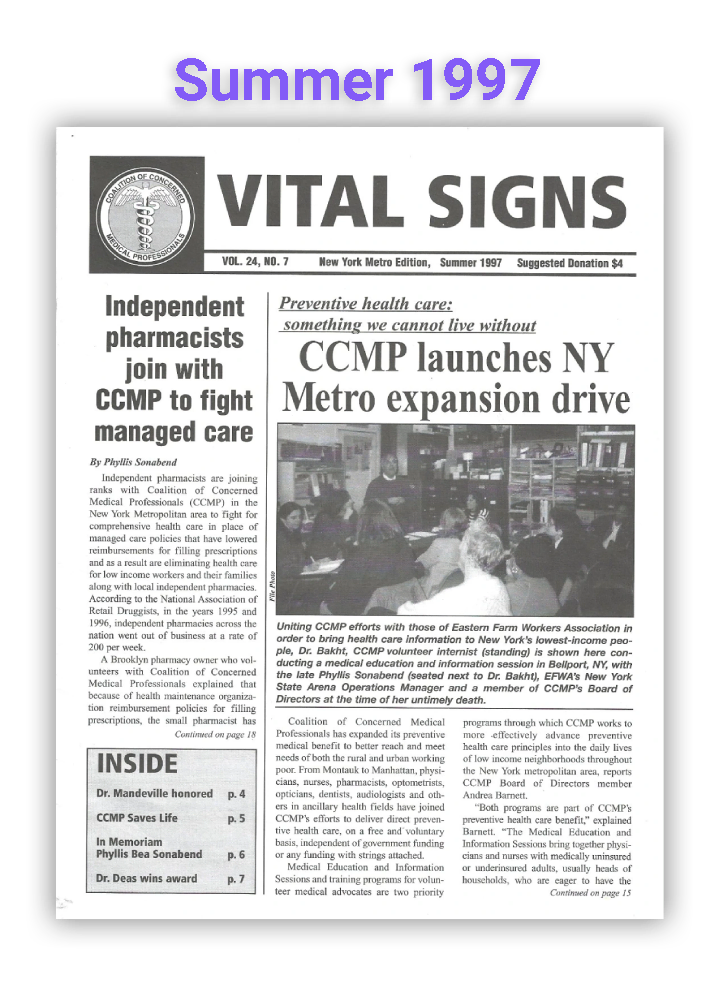
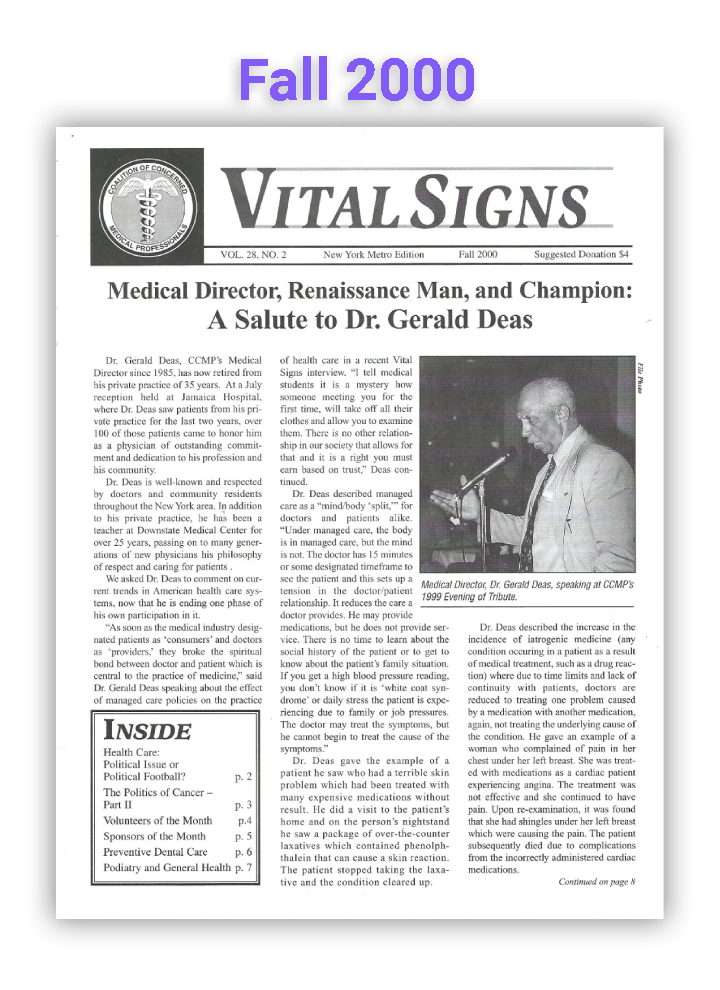
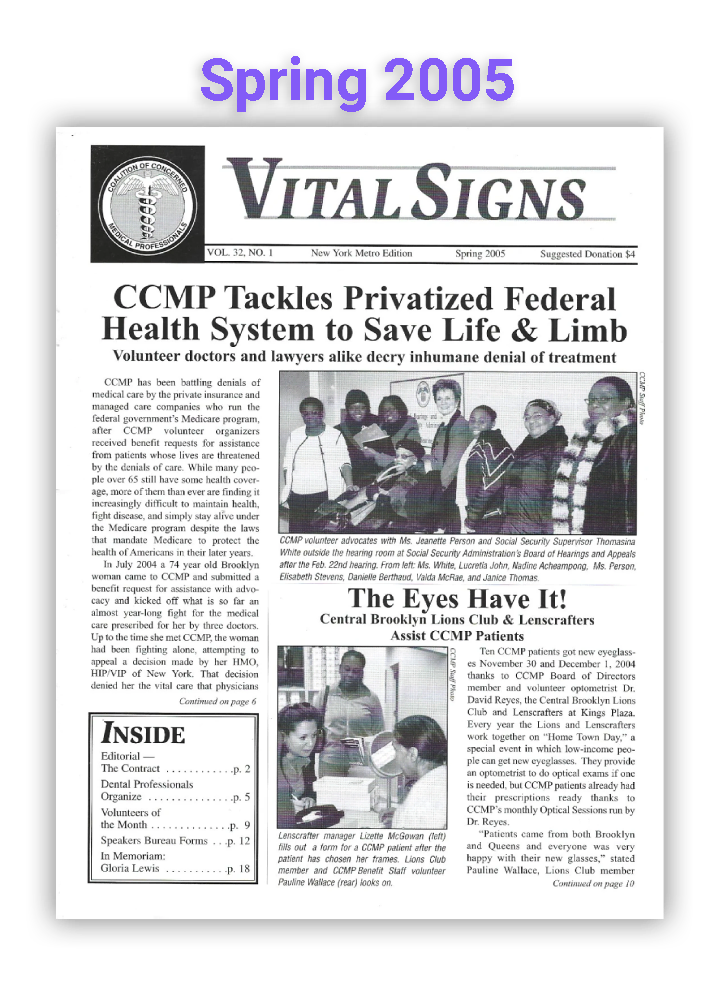
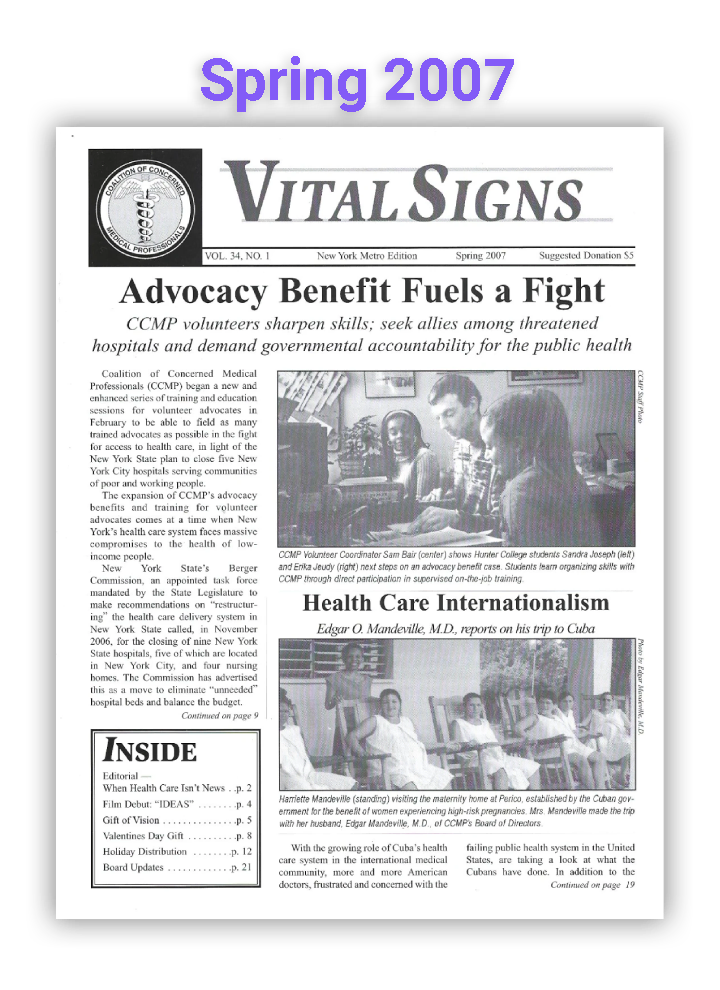
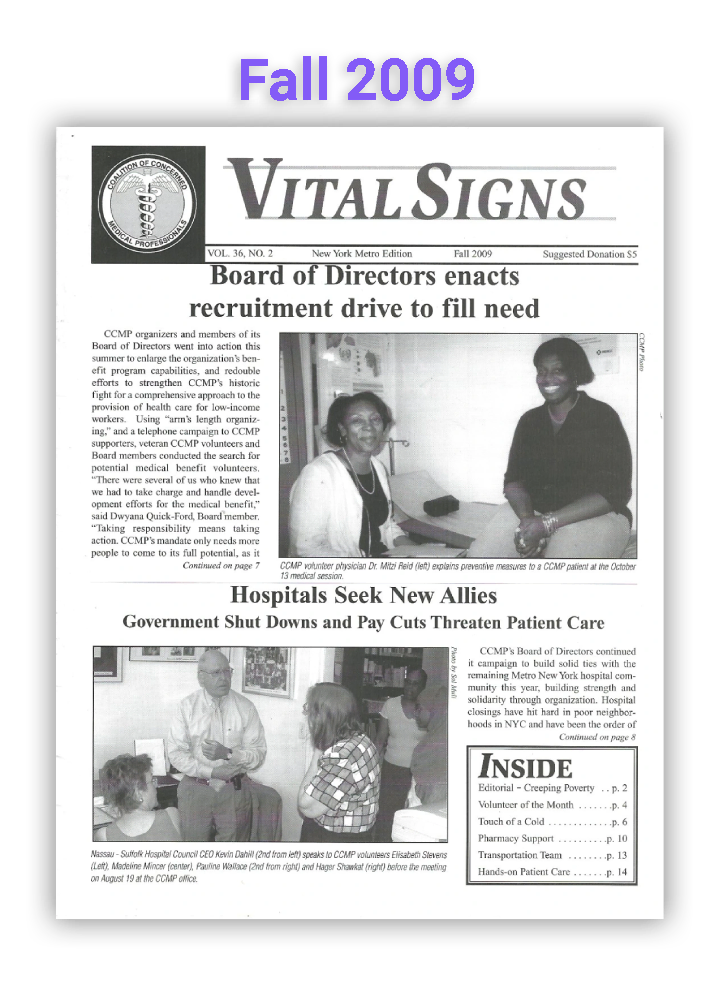

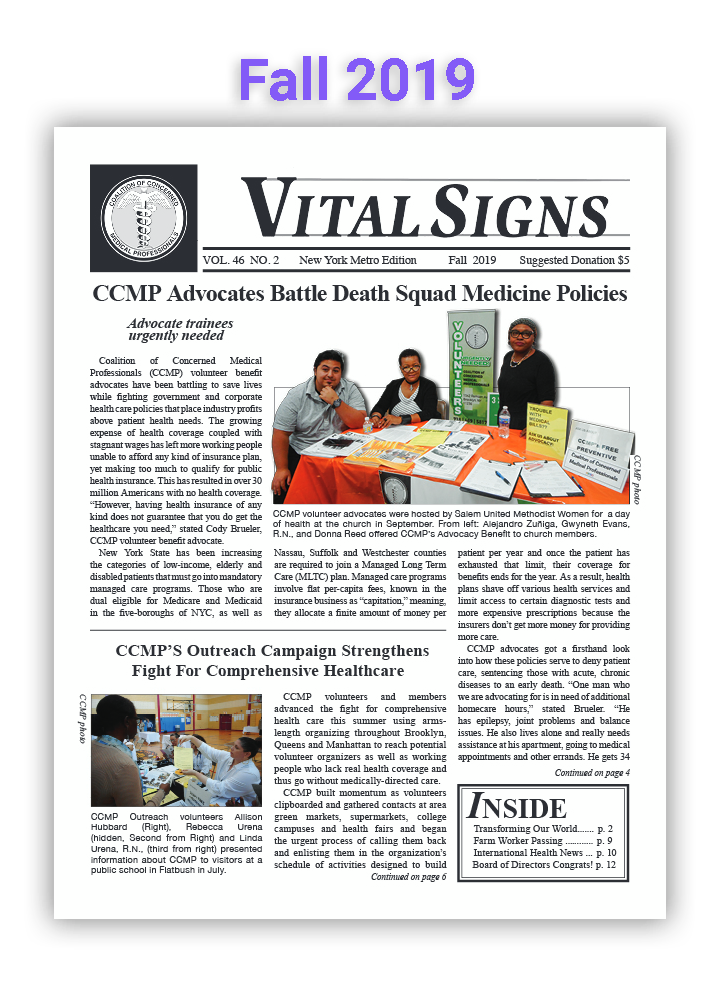

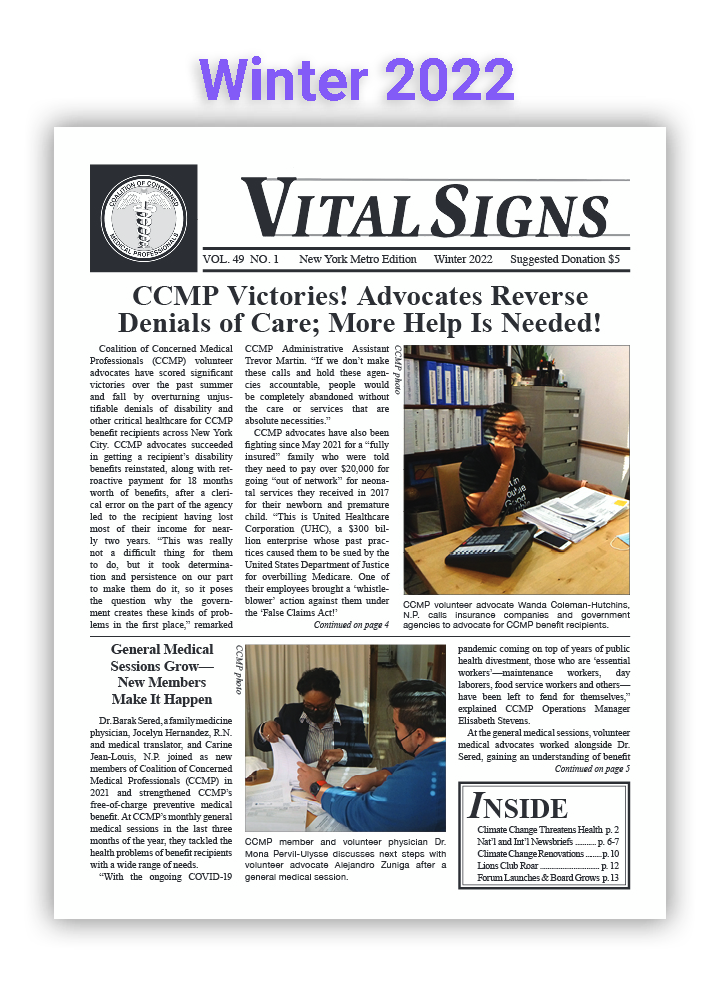
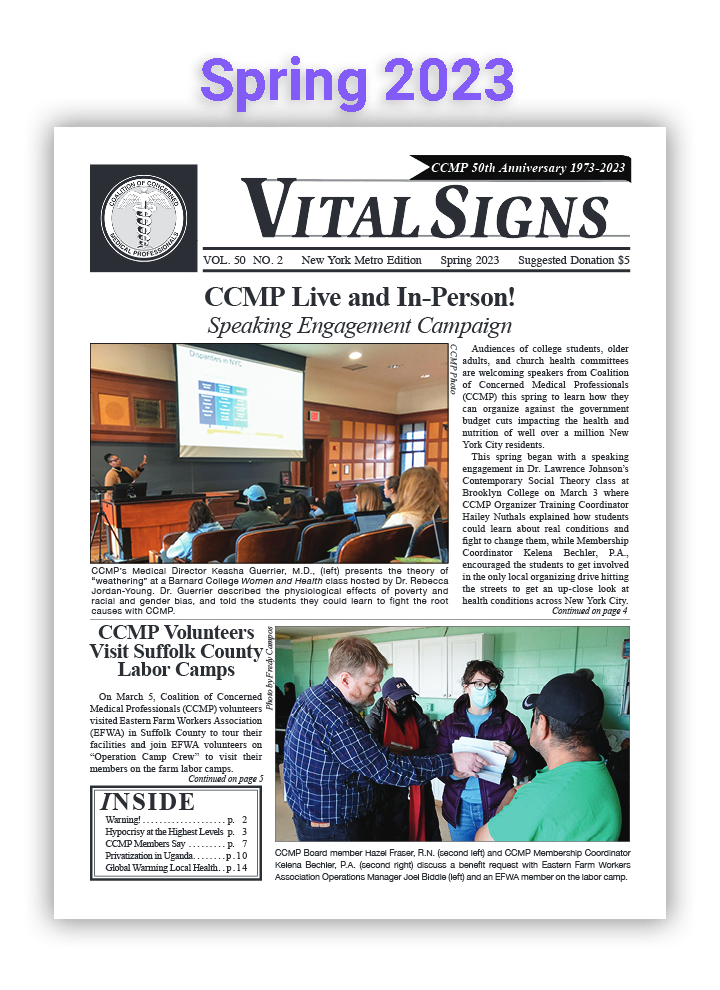
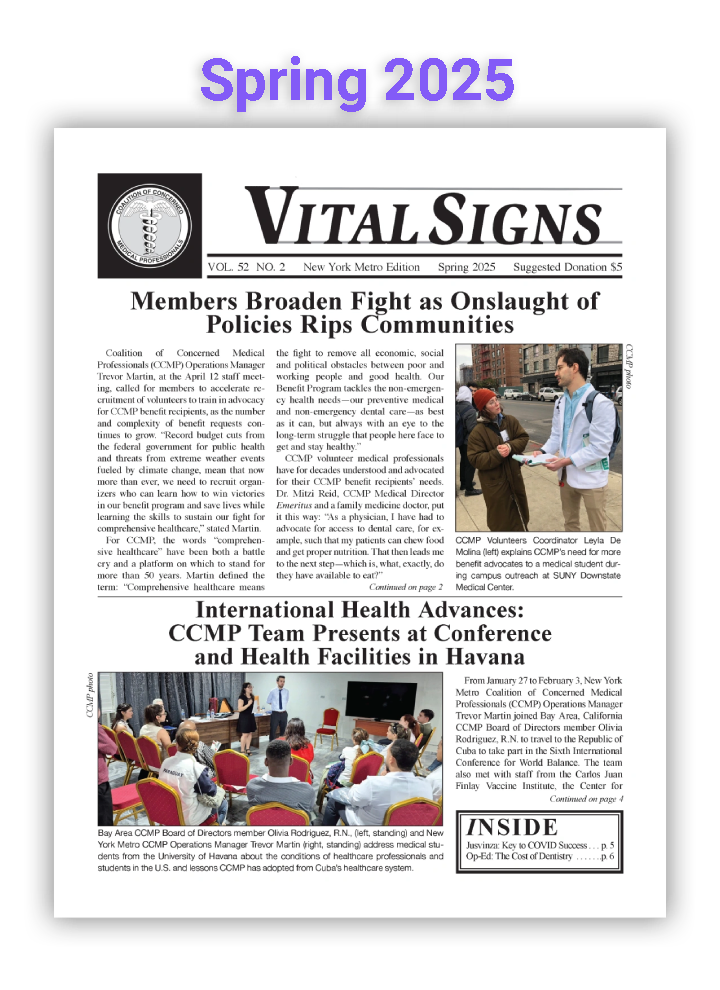
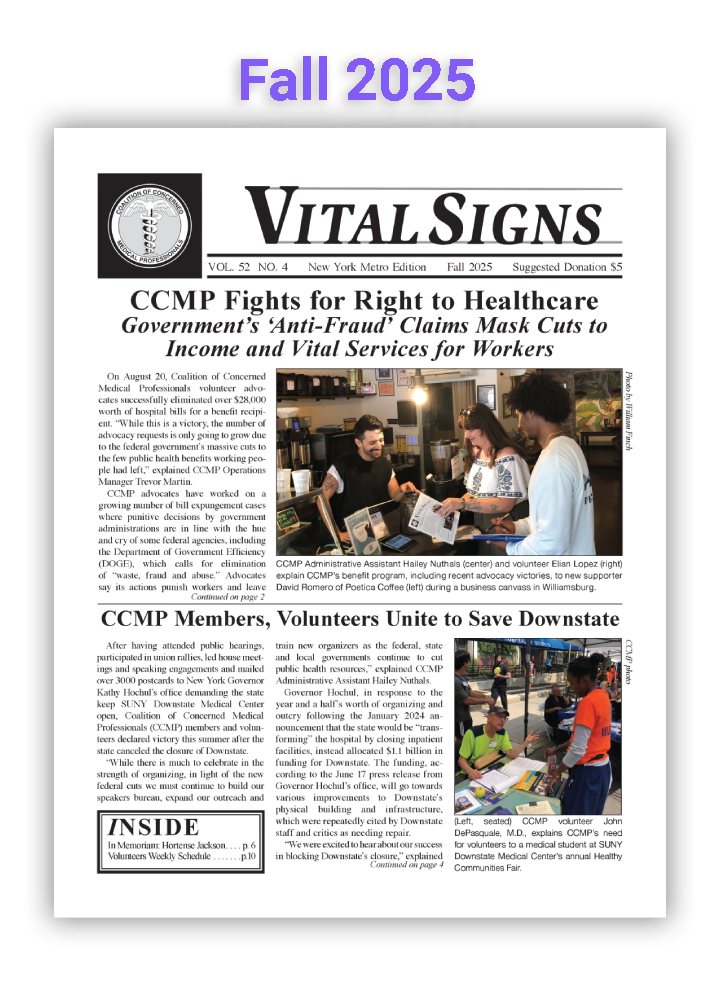
Call or stop by to pick up the latest issue.

Articles Authored by Members
Public Health Heroes: Frances Oldham Kelsey and the Members of ACIP
By John DePasquale, M.D., M.P.H.
Drugs and vaccines treat illnesses, prevent spread of disease and help entire communities stay healthy. But making sure they are safe and effective takes time, hard work, careful testing and smart decision-making. Over the past century, we have wiped out smallpox world-wide and eliminated polio in the United States. Antibiotics have saved millions of lives that otherwise would have been lost to common infectious diseases like pneumonia. But they can also be dangerous if they are not tested properly or if they are used incorrectly. That’s why we need well-qualified people and systems in place to make good choices for everyone’s safety.
Recently, the secretary of Health and Human Services (HHS), Robert F. Kennedy, Jr., fired all 17 members of the Advisory Committee on Immunization Practices (ACIP). This decision is unprecedented in that previously, members served four years in staggered appointments, thus always maintaining a high level of expertise. RFK and his allies suggested a clean sweep was needed “to reestablish public confidence in vaccine science” as he stated in an HHS press release on June 9. He then hired eight new members. I and others are worried about the resultant loss of expertise and some biases evident in the new members selected.
The Cost of Dentistry: Challenges for Private Practitioners
By Lori Matturro, D.D.S.
As a private practice dentist, I am committed to providing high-quality, personalized care to my patients. However, the cost of doing dentistry presents significant challenges, especially when striving to offer services at reasonable rates. Dentistry involves substantial expenses, from purchasing sophisticated dental equipment and materials to maintaining a sterile and welcoming environment. For instance, the average cost to provide a dental crown ranges upwards of $1,200, while a root canal can cost nearly $2000. These costs reflect the high standards of care and precision required in dental procedures.
One of the growing concerns in our field is the reduction of employer-sponsored dental insurance. Many employers are eliminating dental benefits to cut costs, leaving employees without coverage.
This trend has a direct impact on patients’ oral health. Without insurance, many individuals forgo regular dental visits, leading to untreated dental issues that can escalate into more serious health problems. According to the American Dental Association, about 74 million Americans lack dental coverage, which is more than double the number of those without health insurance.
Déjà vu
By Eugene A. Paul, M.D., M.P.H.
France controlled Vietnam from the 1880s to the end of the Second World War in 1945. From 1946 to 1954, the Vietnamese fought to gain their independence from Imperial France. The nation was divided into North and South, with the North ultimately coming under the control of the Communists. The United States helped to create the anti-communist “pro-western” government of South Vietnam in what they termed an attempt to prevent the entire region from “falling to the Communists”.
As was well documented beginning in the early 1970s, drug use, including heroin, was very prevalent among U.S. soldiers during the war. In New York, draconian laws were passed by the Rockefeller administration to punish victims of government, social and military policies. The Reagan administration launched its “War on Drugs” in 1982, treating the problem as if it were a police matter and not the consequence of social and political policy with psychological and medical consequences.
The purpose of the above is not merely to offer a brief history of recent American foreign and domestic policy. The point is there are a few tragic parallels with current policies and very likely similar consequences.